Lee Chang-dong
Otros idiomas: 한국어 · English · Português · Bahasa Indonesia · 日本語 · Tiếng Việt
director de cine, guionista y novelista surcoreano
Hallyu brackets
| Lee Chang-dong | ||
|---|---|---|
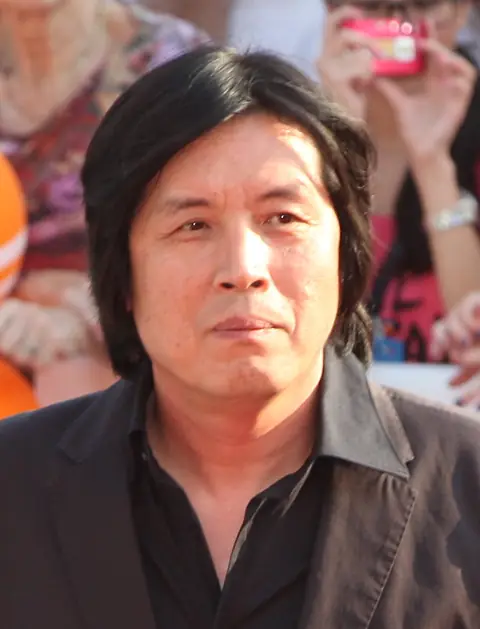 che (Please credit as "Petr Novák, Wikipedia" in case you use this outside Wikimedia projects.) · CC BY-SA 3.0 En el Karlovy Vary International Film Festival en 2010. | ||
| Información personal | ||
| Nombre en coreano | 이창동 | |
| Nacimiento |
1 de abril de 1954 (72 años) Daegu, Corea del Sur | |
| Nacionalidad | Surcoreana | |
| Lengua materna | coreano | |
| Educación | ||
| Educado en |
| |
| Información profesional | ||
| Ocupación | Director de cine, guionista, escritor, novelista, político y realizador | |
| Años activo | desde 1997 | |
| Cargos ocupados | Minister of Culture, Sports and Tourism (2003-2004) | |
| Empleador | Universidad Nacional de Artes de Corea | |
| Lengua literaria | coreano | |
| Distinciones |
| |
Lee Chang-dong (en hangul, 이창동; en hanja, 李滄東; Daegu, 1 de abril de 1954) es un guionista, novelista y director de cine surcoreano.[1]
1. Biografía
Nació en Daegu. En 1980 se graduó en filología coreana en la Universidad nacional Kyungpook, donde pasó mucho de su tiempo escribiendo y dirigiendo obras de teatro. Después de trabajar durante un breve periodo de tiempo como profesor de lengua coreana en un instituto de secundaria, se convirtió en un novelista de éxito con la novela corta El botín en 1983. Después, para sorpresa de muchos, empezó como cineasta y fue ministro de cultura durante el mandato de Roh Moo-Hyun.
Lee no estudió cinematografía. Escribió en 1993 los guiones de To the Starry Island (Geu seome gago shibda) y A Single Spark (Jeon Taei-il), ambas películas de Park Kwang-su. Después de que sus amigos y conocidos lo convencieran para que empezara a dirigir películas, Lee Chang-dong hizo Green Fish, una crítica de la sociedad coreana a través de los ojos de un joven que se ve atrapado en el submundo criminal,[2] en 1997.
En 2000 hizo Peppermint Candy, la historia de un hombre soltero a lo largo de veinte años de historia de Corea del Sur en orden cronológico inverso (desde la revolución estudiantil de 1980 hasta 2000). Todas sus películas han logrado galardones y una gran aceptación de la crítica. Con Oasis, la historia de un hombre con una enfermedad mental y una mujer con parálisis cerebral, ganó el Premio al Mejor Director en el Festival de cine de Venecia de 2003.
En 2007 se estrenó su cuarta película, Secret Sunshine, que entró en la competición en la 60.ª edición del Festival de Cannes y por la cual la actriz Jeon Do-yeon ganó el Premio de Interpretación Femenina.[3]
En 2010 se estrenó su película Poetry, que consiguió críticas favorables y el premio al mejor guion en el Festival de Cine de Cannes.
En 2018 se estrenó su película Burning.
2. Filmografía
2.1. Director
- 1997 : Green Fish (초록 물고기 , Chorok mulkogi)
- 2000 : Peppermint Candy (Bakha satang) (박하사탕)
- 2002 : Oasis (오아시스)
- 2007 : Milyang (밀양, Milyang)
- 2010 : Poetry (시, Si)
- 2018 : Burning
- 2026: Un amor posible.[4]
2.2. Guionista
- 1993 : To the Starry Island (Geu seome gago shibda) de Park Kwang-su
- 1995 : A Single Spark (Jeon Tae-il) de Park Kwang-su
- De todas sus películas
2.3. Productor
- 2007 : Never Forever
- 2007 : Milyang
- 2009 : Une vie toute neuve de Ounie Lecomte.
3. Obras literarias
- El botín, 1983
- Papeles en llamas, 1987
4. Premios y distinciones
| Año | Categoría | Película | Resultado |
|---|---|---|---|
| 2010[5] | Mención especial del Jurado Ecuménico | Poetry | Ganadora |
| 2018[6] | Premis FIPRESCI | Beoning | Ganador |
| Año | Categoría | Película | Resultado |
|---|---|---|---|
| 2002[7] | León de Plata a la mejor dirección | Oasis | Ganador |
| 2002 | Premio FIPRESCI | Oasis | Ganador |
| 2002 | Premio SIGNIS | Oasis | Ganador |
| 2002 | Premio especial de dirección | Oasis | Ganador |
- Legion d'Honneur - Jacques Chirac Administration in 2006
- 2008 - Mejor película, Premios de cine asiático
- 2008 - Mejor director, Premios de Cine Asiático
- 2007 - Mejor actriz (Jeon Do-yeon), Festival de cine de Cannes
- 2007 - Mejor largometraje, Premios Asia Pacific Screen
- 2007 - Mejor actriz, Premios Asia Pacific Screen
- 2007 - Mejor fotografía, Premio de cine coreano
- 2007 - Mejor director, Premio de cine coreano
- 2007 - Premio especial, Premios Grand Bell
- 2003 - Mejor director, Premios Paeksang
- 2003 - Premio tres castillos, Festival Internacional Castellinaria de cine joven
- 2003 - Premio de la audiencia, Festival de cine Gardanne
- 2003 - Premio Chief Dan George Humanitarian, Festival internacional de cine de Vancouver
- 2005 - Mejor película extranjera (Nominado), Premios Independent Spirit
- 2000 - Premio especial del jurado, Festival internacional de cine de Bratislava
- 2000 - Mejor película, Premios Grand Bell, Corea del Sur
- 2000 - Premio Don Quijote, Festival internacional de cine Karlovy Vary
- 2000 - Premio Netpac - Mención especial, Premio Internacional de Cine Karlovy Vary
- 2000 - Premio especial de jurado, Festival internacional de cine Karlovy Vary
- Green Fish
- 1997 - Mejor película, Premios Blue Dragon
- 1997 - Premios dragones y tigres, Festival Internacional de Cine de Vancouver
- 1998 - Premio Netpac - Mención especial, Festival Internacional de Cine de Róterdam
- A Single Spark
- 1995 - Mejor película, Premios Blue Dragon
Noticias relacionadas
Original Yonhap News Agency · 임순현 — 국회예결위원장 만난 영상업계 "정부예산은 마중물…신경써달라" ↗
Screen industry groups ask Assembly budget chair for funding
Film, broadcast and animation industry representatives asked for budget support at a screen-content roundtable held in the National Assembly budget committee chair's office on the 25th. Drama Producers Association head Song Byung-joon said the three broadcasters made 90 dramas three years ago but can now make only 30. Korea Animation Industry Association vice president Hong Seong-ho said animation's share of theatrical revenue rose from 8% in 2022 to 27% last year. The committee said it will refer to the discussion when reviewing next year's government budget.
Por qué importa Industry figures described government funding as seed money for the sector, and the committee said it will consult the views in its review of next year's budget.
Cine de CoreaUn amor posibleLee Chang-dongResumen por IA (Claude) · revisado por un editor
Original Yonhap News Agency · Lee Minji — Lee Chang-dong's 'Possible Love' wins Korean film critics award ↗
Possible Love named best film at Korean critics' awards
The Korean Association of Film Critics named Lee Chang-dong's "Possible Love" best film on Oct. 20, and Jeon Do-yeon won best actress, Yonhap reported. Na Hong-jin's "Hope" took three awards: best director, best actor for Zo In-sung and best cinematography. Park Ji-hoon won best new actor for "The King's Warden," and the ceremony is set for Nov. 4.
Por qué importa The winners were chosen from films released between October last year and September this year, with the awards ceremony scheduled for Nov. 4.
Un amor posibleLee Chang-dongJeon Do-yeonResumen por IA (Claude) · revisado por un editor
Original Yonhap News Agency · 김지연 — 영국서 만나는 이창동·손석구 신작…21회 런던한국영화제 ↗
London Korean Film Festival returns Nov. 2 with 22 titles
The Korean Cultural Centre UK is holding the 21st London Korean Film Festival at three London theatres from Nov. 2 to 16, with 22 films in total. Kim Mi-jo's 'Gyeongju Travelogue' opens the event and Park Hoon-jung's 'Sad Tropics' closes it. The centre said on the 10th (local time) that the special screenings include Lee Chang-dong's 'Possible Love', a title that won at this year's Venice film festival.
Por qué importa The centre's director described the festival as a platform where Korean filmmakers and British audiences meet and exchange views.
Cine de CoreaLee Chang-dongUn amor posibleResumen por IA (Claude) · revisado por un editor
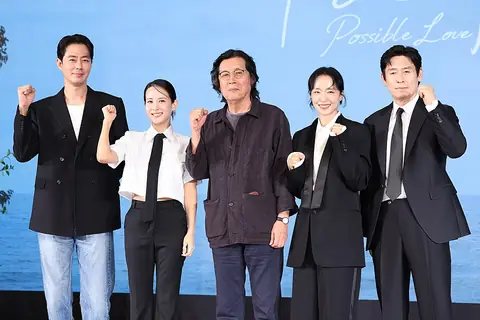
Lee Chang-dong's “Possible Love” returns home after Venice Silver Lion
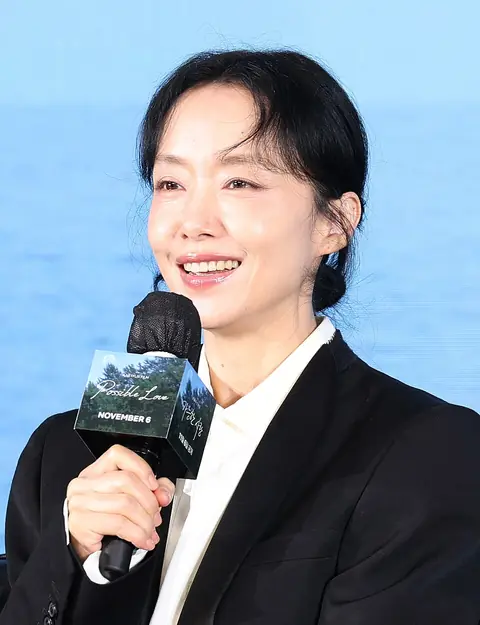
Director Lee Chang-dong's new film “Possible Love” won the Grand Jury Prize (Silver Lion) at this year's Venice Film Festival. Lee and cast members Sol Kyung-gu, Zo In-sung and Cho Yeo-jeong attended a Sept. 21 preview in Seoul; the film centers on laid-off workers and class conflict.
Ver original ↗Un amor posibleLee Chang-dongResumen por IA · verifica la fuente
Rutas que pasan por aquí
Lee a continuación
Elegidos por enlaces del artículo, temas compartidos y la misma categoría · Abrir un artículo al azar →


Notas
- ↑ Biografía PDF "Lee Chang-Dong" (LTI Corea) «Copia archivada». Archivado desde el original el 21 de septiembre de 2013. Consultado el 2 de febrero de 2014.
- ↑ (inglés) Scott, A. O. "Director Profile". NY Times/Allmovie. Retrieved 2006-10-07. http://movies2.nytimes.com/gst/movies/filmography.html?p_id=191510
- ↑ "Festival de Cannes: Secret Sunshine". festival-cannes.com. Retrieved 2009-12-20.
- ↑ Kim Ji-yeon (7 de septiembre de 2026). «베네치아서 베일벗은 '가능한 사랑'…거장이 빚어낸 인간의 품위(종합)» ['Posible Love' se presenta en Venecia... Dignidad humana creada por un maestro (Resumen)]. Yonhap (en coreano). Consultado el 7 de septiembre de 2026.
- ↑ «Jury Œcuménique Palmarés 2010». cannes.juryoecumenique.org. Consultado el 24 de julio de 2017.
- ↑ Lodge, Guy (18 de mayo de 2018). «Cannes: ‘Border’ Leads Un Certain Regard Award Winners». Variety. Consultado el 18 de mayo de 2017.
- ↑ «Official Awards of the 59th Mostra». labiennale.org. Archivado desde el original el 2 de agosto de 2014. Consultado el 8 de noviembre de 2020.
Citar esta página
Copia esta línea para citar la página.
“Lee Chang-dong.” Hallyu Wiki. https://hallyu.wiki/es/wiki/lee-chang-dong/ (Consultado 2026-11-28).
Este artículo se basa en el artículo de Wikipedia «Lee Chang-dong», bajo licencia CC BY-SA 4.0. La lista de autores está en el historial de ediciones. Los créditos de cada imagen aparecen debajo de ella.